1. What is Laser Cutting?
Welcome to the first chapter of APM Laser Cutting Academy. Whether you are a fabrication business owner, production engineer, machine operator, or manufacturing professional, understanding laser cutting technology is essential in today’s modern metal processing industry.
In this guide, we will explore the fundamentals of laser cutting, its development over the years, how the process works, and the major types of laser cutting systems used in industrial manufacturing. By the end of this chapter, you will understand why laser cutting has become one of the most important technologies in precision fabrication and smart manufacturing.
Understanding Laser Cutting
Laser cutting is an advanced manufacturing process that uses a concentrated beam of high-energy light to cut materials with exceptional precision and speed. A laser cutting machine directs this focused beam through specialized optics onto the material surface, where intense heat melts, burns, or vaporizes the material along a programmed cutting path.
Unlike traditional cutting methods, laser cutting is completely non-contact. The laser beam functions like an invisible cutting tool, eliminating physical pressure on the workpiece. This allows manufacturers to achieve highly accurate cuts, narrow kerf widths, minimal distortion, and smooth edge finishes.
Modern CNC laser cutting machines can process intricate geometries, sharp corners, and detailed profiles with outstanding repeatability, making them ideal for industrial sheet metal fabrication, precision engineering, automotive production, and custom manufacturing applications.
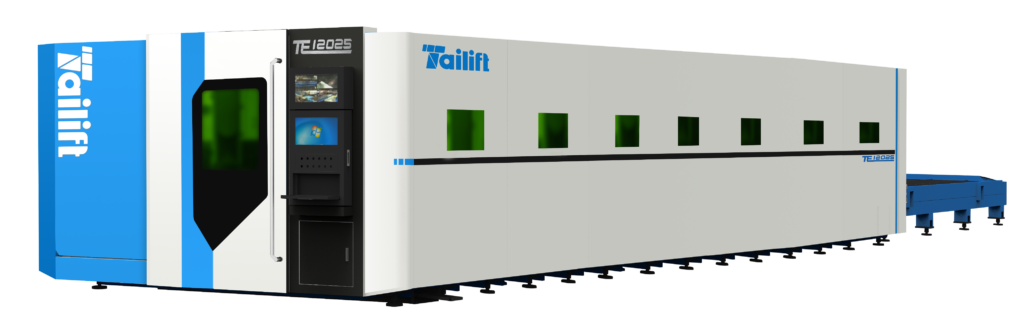
Industrial Laser Cutting in Action
A CNC laser cutting system uses a highly focused laser beam to process sheet metal with extreme accuracy. During cutting, the material melts instantly and molten particles are expelled using assist gas, producing clean edges and efficient high-speed processing.
2. Evolution and Growth of Laser Cutting Technology
Although laser cutting is considered a modern manufacturing technology, its origins date back several decades.
The first industrial laser cutting applications appeared in the mid-1960s when focused laser beams were used for precision drilling applications in diamond tooling manufacturing. By the late 1960s, researchers had successfully combined laser beams with oxygen-assisted cutting methods to process metal sheets more efficiently.
During the 1970s, aerospace manufacturers began adopting laser cutting technology for titanium aircraft components and lightweight structural applications. Early laser systems mainly relied on CO₂ laser technology and were commonly used for textiles, plastics, and thin non-metallic materials because laser power levels at that time were still limited for heavy metal cutting.
Throughout the 1980s and 1990s, improvements in CNC systems, optics, and laser power transformed laser cutting into a mainstream sheet metal fabrication process. The emergence of fiber laser technology further revolutionized the industry by providing higher efficiency, faster cutting speeds, and lower maintenance requirements.
Today, modern fiber laser cutting systems are capable of processing thick metal plates with exceptional speed and accuracy. Advanced Precision Machines LLP (APM) offers high-performance A Series and TE Series fiber laser cutting machines ranging from 3kW to 30kW, designed for high-speed industrial sheet metal processing and smart manufacturing environments.
Modern laser cutting systems now deliver:
- Higher cutting precision
- Faster production speeds
- Lower operating costs
- Improved automation compatibility
- Better energy efficiency
- Industry 4.0 integration capabilities
The journey from early experimental laser systems to today’s intelligent CNC laser machines highlights the rapid advancement of industrial manufacturing technology.
3. How Does Laser Cutting Work?
Laser cutting works by concentrating a high-energy laser beam onto a very small point on the material surface. The intense energy rapidly heats the material until it melts, burns, or vaporizes, creating a precise cutting path.
Below is a simplified overview of the process:
Laser Beam Generation and Focusing
The laser source generates a powerful beam of light which is directed through optical components such as mirrors and focusing lenses. These optics concentrate the beam into an extremely small focal point with very high energy density.
This focused spot can be smaller than a millimeter, allowing the machine to generate enough heat to cut through metals and other materials with precision.
Material Melting and Vaporization
When the laser beam contacts the workpiece, the concentrated heat melts or vaporizes the material in a localized area.
- Metals typically melt during the process
- Organic materials such as wood or acrylic may burn or vaporize
- Some materials convert directly into fumes under extreme heat
This process forms a narrow cut known as the kerf.
Assist Gas Function
Industrial laser cutting systems use assist gases to improve cutting efficiency and edge quality.
Common assist gases include:
- Oxygen
- Nitrogen
- Compressed air
These gases serve multiple functions:
- Remove molten material from the cut zone
- Improve cutting speed
- Prevent oxidation on sensitive materials
- Produce smoother and cleaner cut edges
For mild steel cutting, oxygen can enhance the cutting reaction and increase speed. For stainless steel and aluminum, nitrogen is commonly used to achieve oxide-free finishes and superior surface quality.
CNC Motion and Automation
Laser cutting machines are controlled using CNC (Computer Numerical Control) systems. CAD/CAM software generates programmed cutting paths which are converted into machine instructions known as G-code.
The CNC system precisely moves the laser cutting head along the X, Y, and sometimes Z axes, enabling:
- Complex profile cutting
- High repeatability
- Precision detailing
- Automated production workflows
Since there is no physical cutting tool involved, laser systems can instantly change direction and produce highly detailed geometries without tool wear or mechanical stress.
1. Rise of Fiber Laser Cutting Technology
Fiber laser technology has become the preferred choice for modern industrial cutting applications because of its speed, efficiency, and lower operating costs.
Compared to conventional CO₂ systems, fiber lasers provide:
- Faster cutting speeds
- Lower operational expenses
- Higher energy efficiency
- Better cutting performance on reflective materials such as aluminum, brass, and copper
Advanced Precision Machines LLP (APM) offers high-performance A Series and TE Series fiber laser cutting machines with power configurations up to 30kW. These systems are designed for high-speed sheet metal processing, precision cutting, and industrial-scale manufacturing applications.
Today, fiber laser systems are increasingly replacing traditional plasma and waterjet technologies for medium and thick metal cutting because of their superior speed, precision, and automation capabilities.
Industry Trend
The market is moving toward compact fiber laser solutions for SMEs and multi-head laser systems that allow simultaneous cutting operations for high-volume manufacturing environments.
2. Smart Machines with AI & Predictive Maintenance
Modern laser cutting systems are becoming increasingly intelligent through the integration of Artificial Intelligence (AI) and machine learning technologies.
Advanced CNC laser machines are now capable of:
- Automatically optimizing cutting paths in real time
- Predicting nozzle and lens wear before failures occur
- Adjusting power and focus settings based on material thickness
- Reducing operator intervention and setup time
Advanced Precision Machines LLP (APM) is aligning with smart manufacturing trends by integrating intelligent monitoring systems that allow operators to track machine health, productivity, gas consumption, and cutting performance remotely.
Future Prediction
AI-powered dashboards, automated diagnostics, and voice-assisted troubleshooting systems are expected to become standard features in advanced industrial laser cutting systems.
3. Automation and Industry 4.0 Integration
The future of laser cutting is connected, automated, and data-driven.
Modern laser cutting systems are increasingly integrated with:
- Robotic loading and unloading systems
- MES (Manufacturing Execution Systems)
- ERP software platforms
- Smart factory automation environments
Key automation developments include:
- Unmanned production with intelligent safety sensors
- Real-time IoT monitoring of machine temperature, gas consumption, and production status
- Automated job switching through barcode systems and preloaded CNC programs
The A Series and TE Series laser cutting machines from APM are designed to support Industry 4.0 manufacturing with CNC automation, production monitoring, and remote operation capabilities.
Industry Trend
Cloud-based manufacturing platforms capable of managing multiple laser cutting systems across different facilities are expected to become increasingly common.
4. Sustainable and Energy-Efficient Laser Cutting
Sustainable manufacturing is becoming a major priority across industries, and laser cutting technology is evolving to support cleaner and more energy-efficient production.
Modern fiber laser systems contribute to sustainability through:
- Lower energy consumption compared to CO₂ laser systems
- Optimized assist gas usage for reduced operational waste
- Closed-loop cooling systems that minimize water usage
- Reduced scrap generation due to highly precise cutting
Energy-efficient solutions such as APM’s A Series fiber laser machines are designed to improve productivity while lowering emissions and operational costs.
Future Outlook
Emerging technologies such as direct diode lasers and recyclable laser processing systems may contribute to zero-waste manufacturing in the future.
5. Software-Driven Laser Manufacturing
Modern laser cutting systems rely heavily on software integration for process optimization and production efficiency.
Advanced software capabilities now include:
- CAD/CAM integration
- Intelligent nesting algorithms for material optimization
- Real-time production costing and tracking
- Cutting simulations before manufacturing begins
- Material inventory and workflow management
Augmented Reality (AR) interfaces and digital monitoring systems are also beginning to emerge for live machine diagnostics and operational visualization.
Advanced Precision Machines LLP (APM) supports compatibility with advanced CNC systems and laser control software for efficient workflow management and production optimization.
Future Prediction
Cloud-based laser software platforms, mobile monitoring applications, and API-connected manufacturing ecosystems are expected to dominate future industrial operations.
6. Expanding Applications Across Industries
Laser cutting technology is now widely used across multiple industries beyond traditional sheet metal fabrication.
Growing applications include:
- Aerospace manufacturing for ultra-precision components
- Medical industries for surgical and implant components
- Electric vehicle manufacturing for lightweight assemblies and copper busbars
- Rapid prototyping and product development
- Electronics and precision engineering industries
Fiber laser systems are increasingly being adapted for specialized industrial applications that require high accuracy, flexibility, and automation.
Industry Trend
Industry-focused laser systems with modular cutting, welding, and marking capabilities are expected to see significant growth in the coming years.
7. Future Innovations in Laser Cutting Technology
The next generation of laser cutting technology will focus on flexibility, automation, precision, and advanced material processing.
Future developments are expected to include:
- Beam shaping technology that automatically adjusts beam profiles based on material type
- Hybrid laser systems combining multiple laser technologies in a single platform
- Multi-axis laser heads for bevel and 3D cutting applications
- Autonomous robotic laser systems for heavy industries such as shipbuilding and construction
- Femtosecond and nanosecond laser systems for ultra-precision micro-cutting applications
These innovations are expected to transform industries such as aerospace, electronics, medical manufacturing, and precision engineering through improved productivity and advanced automation.
1. Introduction to Different Cutting Technologies
Fiber Laser Cutting
Fiber laser cutting machines use a solid-state laser source where the laser beam is transmitted through fiber optic cables. These systems operate at a wavelength of approximately 1.06 µm, making them highly effective for cutting metallic materials.
Key Highlights:
- Extremely high cutting precision
- Excellent energy efficiency
- Ideal for stainless steel, mild steel, aluminum, copper, and brass
- Compact beam size creates high energy concentration for faster cutting
Advanced Precision Machines LLP (APM) offers A Series and TE Series Fiber Laser Cutting Machines designed for high-speed industrial sheet metal processing with advanced CNC automation.
CO₂ Laser Cutting
CO₂ laser cutting systems use a gas mixture containing carbon dioxide to generate the laser beam. These machines operate at a wavelength of 10.6 µm and are highly suitable for non-metal applications.
Key Highlights:
- Excellent for acrylic, wood, leather, MDF, rubber, and plastics
- Smooth edge finish on organic materials
- Widely used for signage, décor, and engraving applications
- Ideal for creative industries and mixed-material workshops
CO₂ laser systems continue to remain a reliable solution for engraving and non-metal cutting applications.
Plasma Cutting
Plasma cutting uses electrically ionized gas (plasma) to cut conductive metals. The process relies on compressed gas and a plasma torch to melt and remove material.
Key Highlights:
- Suitable for thick conductive metal plates
- Lower equipment cost compared to laser systems
- Commonly used in heavy fabrication industries
- Effective for mild steel and thick structural materials
2. Material Compatibility Comparison
| Material | Fiber Laser | CO₂ Laser | Plasma Cutting |
|---|
| Mild Steel | Excellent | Good | Excellent |
| Stainless Steel | Excellent | Good | Good |
| Aluminum | Excellent | Fair | Good |
| Copper / Brass | Good with proper settings | Limited suitability | Moderate |
| Acrylic / Wood / Plastic | Not Recommended | Excellent | Not Suitable |
Best Choice by Application:
- Choose Fiber Laser for precision metal cutting
- Choose CO₂ Laser for non-metal and engraving applications
- Choose Plasma Cutting for economical thick metal cutting
3. Cutting Speed and Thickness Capability
Fiber Laser
Fiber laser systems deliver the highest cutting speeds for thin and medium-thickness sheet metals. They are ideal for precision fabrication environments requiring fast turnaround times.
Advantages:
- Extremely fast sheet metal cutting
- Minimal dross formation
- Superior corner accuracy
- Excellent repeatability
APM’s A Series and TE Series Fiber Laser Machines support high-speed motion systems capable of delivering clean and efficient cutting performance for industrial applications.
CO₂ Laser
CO₂ lasers provide reliable performance for thicker non-metal materials and moderate metal cutting applications.
Advantages:
- Smooth edge quality on acrylic and wood
- Effective for signage and decorative cutting
- Good engraving capability
Plasma Cutting
Plasma systems are highly effective for cutting thick steel plates, often up to 50 mm or more.
Advantages:
- Faster than traditional oxy-fuel cutting
- Cost-effective for heavy fabrication
- Suitable for thick carbon steel plates
Limitations:
- Lower precision on thin sheets
- Larger heat affected zone
- Rougher edge finish compared to laser systems
4. Cut Quality and Precision
Fiber Laser
Fiber lasers offer the highest level of cutting accuracy and edge quality.
Benefits:
- Very narrow kerf width
- Minimal heat affected zone (HAZ)
- Smooth and burr-free edges
- Ideal for high-precision sheet metal fabrication
CO₂ Laser
CO₂ systems provide excellent edge quality on non-metallic materials and acceptable precision on metals.
Benefits:
- Smooth polished finish on acrylic
- Reliable engraving quality
- Good performance for creative applications
Plasma Cutting
Plasma cutting focuses more on speed and thickness than precision.
Limitations:
- Rougher edge finish
- Larger kerf width
- More slag and secondary finishing requirements
5. Operating Cost and Maintenance Comparison
| Factor | Fiber Laser | CO₂ Laser | Plasma Cutting |
|---|
| Energy Efficiency | Very High | Moderate | Moderate |
| Maintenance | Low | High | Moderate |
| Consumables | Nozzle, Lens | Mirrors, Tubes | Electrodes, Tips |
| Typical Lifespan | 100,000+ Hours | 10,000–20,000 Hours | 5,000–10,000 Hours |
Fiber Laser Advantage
Fiber laser machines require significantly lower maintenance because they do not rely on mirror-based beam delivery systems.
Benefits:
- Lower downtime
- Reduced operating costs
- Longer laser source life
- Better production consistency
6. Automation and Industry 4.0 Integration
Modern manufacturing increasingly demands smart automation and connected systems.
Fiber Laser Automation Features
- CNC integration
- MES and ERP connectivity
- Robotic loading and unloading
- IoT-based machine monitoring
- Real-time diagnostics and production tracking
APM’s A Series and TE Series Fiber Laser Machines are designed for Industry 4.0-ready manufacturing environments with advanced automation compatibility.
CO₂ Laser Automation
CO₂ systems can also integrate with automation platforms, especially in signage and engraving workflows, though they are less common in large-scale smart factories.
Plasma Automation
Plasma cutters support CNC motion control but typically offer fewer advanced monitoring and automation features compared to fiber laser systems.
7. Investment and ROI Comparison
| Machine Type | Initial Investment | Long-Term ROI | Best For |
|---|
| Fiber Laser | High | Excellent | Precision fabrication and mass production |
| CO₂ Laser | Medium | Moderate | Signage, décor, and non-metal cutting |
| Plasma Cutter | Low | Fast Payback | Heavy-duty steel cutting |
ROI Insights
Fiber Laser
Higher upfront investment but excellent long-term savings through:
- Lower maintenance
- Faster production
- Reduced power consumption
- Better material utilization
CO₂ Laser
Balanced investment for creative businesses and mixed-material cutting applications.
Plasma Cutter
Lower initial investment with quick returns for heavy fabrication workshops.
8. Which Cutting Technology Should You Choose?
Choose Fiber Laser If:
- You primarily process metals
- You require high precision and speed
- You want automation and smart factory integration
- You need long-term operational savings
Recommended Solutions:
- APM A Series Fiber Laser Cutting Machines
- APM TE Series Fiber Laser Cutting Machines
Choose CO₂ Laser If:
- Your focus is acrylic, wood, leather, MDF, or signage
- You need engraving and decorative cutting capabilities
- You work in creative or retail fabrication industries
Choose Plasma Cutting If:
- You cut thick steel plates regularly
- Budget is a major consideration
- Precision is less critical than cutting capacity
1. Understand the Different Types of Laser Cutting Machines
Fiber Laser Cutting Machines
Fiber laser systems use fiber optic technology to transmit concentrated laser energy for high-speed metal cutting.
Key Features:
- Ideal for stainless steel, mild steel, aluminum, brass, and copper
- Offers high precision and fast cutting performance
- Requires low maintenance compared to traditional systems
- Highly energy-efficient for industrial applications
Best Applications:
- Sheet metal fabrication
- Industrial manufacturing
- Electrical panels
- Automotive components
- Precision engineering industries
Advanced Precision Machines LLP (APM) offers A Series and TE Series fiber laser cutting machines designed for reliable and high-performance metal processing.
CO₂ Laser Cutting Machines
CO₂ laser machines generate the laser beam using a gas mixture containing carbon dioxide, nitrogen, and helium.
Key Features:
- Best suited for non-metal materials
- Compatible with acrylic, wood, leather, MDF, textiles, rubber, and glass
- Produces smooth cutting edges and detailed engraving results
- Popular in creative and decorative industries
Best Applications:
- Acrylic signage
- Interior décor products
- Gift and craft industries
- Packaging samples
- Fashion accessories
CO₂ laser systems remain widely used for engraving and creative cutting applications.
Hybrid Laser Machines
Hybrid systems combine multiple processing capabilities within one machine setup.
Key Features:
- Supports both cutting and engraving functions
- Handles multiple materials efficiently
- Suitable for versatile production environments
Best Applications:
- Mixed-material workshops
- Custom fabrication businesses
- Multi-purpose production units
2. Define Your Production Requirements
Before selecting a machine, evaluate your operational and business goals carefully.
Questions to Ask:
- Which materials will be processed most frequently?
- What thickness range is required?
- What production volume is expected?
- Will automation be required now or in the future?
- What is the available budget and expected ROI timeline?
Example Scenarios:
- For cutting stainless steel sheets up to 12 mm for industrial fabrication, a higher-power fiber laser is recommended.
- For customized acrylic products, wood décor, or signage work, a CO₂ laser machine is more suitable.
3. Select the Right Laser Power
Laser power directly affects:
- Cutting speed
- Thickness handling capability
- Edge quality
- Production efficiency
Recommended Fiber Laser Power:
| Material Thickness | Recommended Power |
|---|
| Up to 3 mm | 1–2 kW |
| 3–6 mm | 2–3 kW |
| 6–12 mm | 3–6 kW |
| 12 mm and above | 6–15 kW |
Recommended CO₂ Laser Power:
| Material | Recommended Power |
|---|
| Acrylic / Wood / MDF | 80W–150W |
APM’s A Series and TE Series fiber laser machines are available in multiple power configurations suitable for thin to thick metal cutting applications.
4. Evaluate Machine Table Size & Working Area
Choosing the correct table size improves workflow efficiency and material handling.
Common Machine Sizes:
- 1500 × 1500 mm — Suitable for small workshops and creative studios
- 1500 × 3000 mm — Standard industrial sheet metal size
- 2500 × 6500 mm — Suitable for heavy fabrication and large-scale production
Tip: Select a machine that supports both your current and future production requirements.
APM offers customizable table sizes across the A Series and TE Series range.
5. Look for Automation & Smart Features
Modern laser cutting systems include advanced automation capabilities that improve productivity and consistency.
Important Features:
- Auto-focus cutting head
- Automatic nozzle changing system
- Auto-loading and unloading support
- Remote diagnostics and monitoring
- Intelligent nesting software integration
- Real-time production monitoring
APM fiber laser systems are designed with Industry 4.0-ready automation and smart manufacturing support.
6. Software Compatibility
Efficient laser cutting depends heavily on compatible design and CNC software.
Common Design Software:
- AutoCAD
- CorelDRAW
- Adobe Illustrator
Nesting & CAM Software:
CNC Control Software:
CO₂ laser machines commonly support CorelDRAW and Illustrator for design-based engraving applications.
7. Operating Costs & Maintenance
Fiber Laser Machines
Advantages:
- Lower electricity consumption
- Minimal maintenance
- No mirrors or laser tubes
- Long source lifespan up to 100,000 hours
CO₂ Laser Machines
Considerations:
- Higher energy consumption
- Requires mirror cleaning and alignment
- Periodic tube replacement required
Also consider:
- Availability of spare parts
- Technical support quality
- AMC and preventive maintenance services
8. Choose a Trusted Manufacturer
Selecting a reliable manufacturer ensures better long-term performance and support.
Advanced Precision Machines LLP (APM) offers:
- Fiber laser cutting machines
- CO₂ laser systems
- Tube laser solutions
- Customized automation options
APM’s A Series and TE Series machines are designed for:
- High-speed industrial production
- Precision cutting performance
- Smart manufacturing integration
- Long-term operational reliability
Additional support includes:
- Installation assistance
- Operator training
- Warranty coverage
- AMC and technical support services
9. Industry-Specific Recommendations
Metal Fabrication
Recommended: A Series / TE Series Fiber Laser Machines (3kW–15kW)
Signage & Branding
Recommended: CO₂ Laser Machines (100W–150W)
Electrical Cabinet & EV Components
Recommended: High-power fiber laser systems (6kW and above)
Design Studios & Small Businesses
Recommended: Compact CO₂ laser cutting and engraving systems
Tube & Pipe Processing
Recommended: Fiber tube laser cutting systems with rotary attachments
10. Laser Machine Buying Checklist
Before purchasing, confirm the following:
- ✅ Have you identified your primary materials?
- ✅ Have you selected the correct laser type?
- ✅ Is your workspace ready with proper ventilation and power supply?
- ✅ Does the machine support automation and smart controls?
- ✅ Is the software compatible with your workflow?
- ✅ Does the supplier provide AMC and service support?
- ✅ Have you estimated operating and maintenance costs?
- ✅ Will the machine support future business growth?
1. Understanding Different Types of Laser Cutting Machines
Before evaluating machine prices, it is important to understand the two primary categories of laser cutting systems available in the Indian market.
Fiber Laser Cutting Machines
Fiber laser machines are mainly used for metal cutting applications.
Suitable Materials:
- Mild steel
- Stainless steel
- Aluminum
- Copper
- Brass
Key Advantages:
- High cutting speed and precision
- Lower operating cost over time
- Better energy efficiency
- Long laser source lifespan of up to 100,000 hours
Fiber laser systems are widely used in industries such as sheet metal fabrication, automotive manufacturing, electrical cabinets, and heavy engineering.
CO₂ Laser Cutting Machines
CO₂ laser systems are designed mainly for non-metal processing applications.
Suitable Materials:
- Acrylic
- MDF
- Plywood
- Leather
- Rubber
- Glass
- Fabrics
Key Advantages:
- Lower initial investment
- Excellent for engraving and decorative applications
- Smooth cutting quality on non-metals
Considerations:
- Higher maintenance requirements
- Periodic mirror alignment required
- Laser tube replacement needed over time
2. Fiber Laser Cutting Machine Prices in India
Fiber laser machine prices vary depending on:
- Laser power
- Automation level
- Working area size
- Brand and configuration
Approximate Fiber Laser Machine Prices Across Major Indian Cities:
Delhi
- CNC 3KW Fiber Laser Machine (3000 × 1500 mm): Around ₹30 Lakh
Mumbai
- Mild Steel Fiber Laser Machine: Starting from ₹25 Lakh
- High-power systems (3kW and above): ₹35–40 Lakh+
Ahmedabad
- 1.5kW Fiber Laser Machine: Approx. ₹24–25 Lakh
- 3kW Fiber Laser Machine: Approx. ₹32 Lakh
Coimbatore
- Fiber Laser Machine (3000 × 1500 mm): Starting from ₹20 Lakh
Pune
- Entry-to-mid level Fiber Laser Machine: Around ₹23 Lakh onwards
Chennai
- 1.5kW to 3kW Fiber Laser Machines: ₹22–30 Lakh range
Bangalore
- Fiber Laser Machines (1kW–3kW): ₹25–35 Lakh depending on automation and accessories
APM’s A Series and TE Series Fiber Laser Machines are available in scalable configurations suitable for small workshops, medium-scale production, and fully automated industrial manufacturing setups.
3. CO₂ Laser Cutting Machine Prices in India
CO₂ laser machines are more affordable and are commonly used in creative industries and signage businesses.
Approximate CO₂ Laser Machine Pricing:
Delhi
- 100W Acrylic Laser Machine: Starting from ₹3–4 Lakh
Ahmedabad
- 130W CO₂ Laser Machine: Approx. ₹4–5 Lakh
Mumbai
- CO₂ Laser Systems: ₹1–5 Lakh depending on configuration
Bangalore
- Non-metal CO₂ Laser Machines: ₹3–4 Lakh range
Chennai
- CO₂ Cutting Machines: ₹4–5 Lakh depending on features and table size
Pricing depends on:
- Laser power
- Bed size
- Engraving capability
- Motion system quality
- Software package
4. Key Factors That Influence Machine Pricing
Several technical and operational factors impact the final machine cost.
Laser Power
Higher wattage machines cut thicker materials faster and therefore cost more.
Typical Fiber Laser Range: 1kW to 30kW
Working Area Size
Larger cutting beds require:
- Stronger machine structures
- More robust motion systems
- Higher manufacturing cost
Common industrial sizes include:
- 1500 × 3000 mm
- 2000 × 4000 mm
- 2500 × 6000 mm
Automation Features
Advanced automation increases productivity but also adds to the machine price.
Examples:
- Auto-focus cutting heads
- Automatic nozzle changers
- Auto-loading and unloading systems
- Smart monitoring systems
Software & CNC Systems
Premium control systems and smart software integration increase machine capability and cost.
Popular Systems:
- CypCut
- FSCUT
- HYPCUT
- Beckhoff
- Siemens
- Proprietary IoT-enabled interfaces
Brand & Build Quality
Machines from reputed manufacturers offering better structural quality, reliable after-sales support, AMC services, and faster spare availability generally command higher pricing.
5. Fiber Laser vs CO₂ Laser: Cost Comparison
| Feature | Fiber Laser | CO₂ Laser |
|---|
| Best For | Metal Cutting | Non-metal Cutting |
| Initial Investment | ₹20L – ₹50L+ | ₹1L – ₹5L |
| Operating Cost | Low | Higher |
| Energy Efficiency | Very High | Moderate |
| Maintenance | Low | Higher |
| Lifespan | Up to 100,000 hrs | 10,000–20,000 hrs |
| Precision | Extremely High | High on soft materials |
6. What You Get at Different Budget Levels
Under ₹5 Lakh
Suitable For:
- Entry-level CO₂ laser machines
- Signage and engraving businesses
- Small workshops and creative studios
Features:
- Compact working area
- Basic engraving and cutting capability
₹15–25 Lakh
Suitable For:
- Entry-level fiber laser systems
- Small fabrication workshops
- Job work businesses
Features:
- 1kW–2kW power
- Standard 1500 × 3000 mm table
- Basic automation support
₹25–40 Lakh
Suitable For: Medium-scale industrial production
Features:
- 3kW–6kW fiber laser systems
- Auto-focus cutting heads
- Faster cutting speeds
- Improved thickness capability
₹40–75 Lakh+
Suitable For:
- Large industrial manufacturing
- Export-oriented fabrication units
- Smart factory environments
Features:
- 6kW–12kW+ fiber lasers
- Full automation systems
- Industry 4.0 integration
- High-speed production capability
APM’s A Series and TE Series machines are available across multiple power and automation configurations to suit different production scales.
7. Additional Costs to Consider
Apart from the machine price, businesses should also account for supporting equipment and operational expenses.
Additional Investments May Include:
- Chiller unit
- Air compressor and dryer
- Voltage stabilizer
- Fume extraction system
- Installation and transportation charges
- Operator training
- AMC and maintenance contracts
- Software licensing fees
8. Tips for Evaluating Total Cost of Ownership (TCO)
Do not evaluate machines based only on the initial purchase price.
Important Factors:
- Machine uptime and reliability
- Power consumption
- Maintenance frequency
- Spare part availability
- Service response time
- Cutting quality consistency
- Future scalability
Fiber laser systems generally provide better long-term savings due to lower maintenance and reduced electricity consumption.
9. Buying Machines from Metro Cities vs Tier-2 Cities
Machine pricing can vary across regions due to:
- Logistics and transportation costs
- Import duties
- Regional taxes and incentives
- Local manufacturing availability
- Service center accessibility
Industrial hubs such as Ahmedabad, Delhi, Mumbai, and Coimbatore often provide competitive pricing due to higher supplier concentration and stronger manufacturing ecosystems.
10. Final Thoughts
Estimated Budget Planning:
- ₹3–5 Lakh — Entry-level CO₂ laser machines for signage and creative applications
- ₹20–35 Lakh — Entry- to mid-level fiber laser systems for fabrication businesses
- ₹40 Lakh+ — Heavy-duty fiber laser systems with advanced automation and high production output
Investing in the right laser cutting machine should focus on:
- Long-term productivity
- Reliability
- Automation capability
- Service support
- Future scalability
Advanced Precision Machines LLP (APM) offers scalable laser cutting solutions through its A Series and TE Series Fiber Laser Machines, along with dependable CO₂ laser systems designed for modern manufacturing and fabrication industries.
For machine consultation, customized configurations, or live demonstrations, visit www.apmmachines.com.
1. Identify Your Business Niche
Laser cutting is a versatile business opportunity, so selecting the right niche early helps you choose the correct machine, software, and marketing strategy.
Popular Laser Cutting Business Niches:
- Metal fabrication and sheet metal cutting
- Acrylic signage and branding products
- Custom gifting and decorative products
- Jewellery and fashion accessories
- Industrial prototyping and precision components
- Interior décor and architectural applications
- Automotive and engineering fabrication
Tip
Research local market demand, competition, and customer requirements before finalizing your niche.
2. Create a Business Plan
A clear business plan helps you stay focused and secure funding if required.
Your Business Plan Should Include:
- Business mission and goals
- Market research and competitor analysis
- Services offered
- Pricing strategy
- Investment and operating costs
- Marketing and sales plan
- Future expansion roadmap
Important
Estimate your break-even point and expected ROI before purchasing machinery.
3. Choose the Right Laser Cutting Machine
Selecting the right machine is one of the most important decisions for your business.
Fiber Laser Cutting Machines
- Best for metal cutting applications
- Suitable for stainless steel, mild steel, aluminum, brass, and copper
- High speed, high precision, and low maintenance
- Ideal for fabrication workshops and industrial manufacturing
CO₂ Laser Cutting Machines
- Best for non-metallic materials
- Suitable for acrylic, wood, leather, MDF, rubber, and textiles
- Ideal for signage, gifting, and decorative industries
Hybrid Machines
- Support cutting and engraving across multiple materials
- Suitable for businesses offering mixed services
Recommended Applications:
- GH Series Fiber Laser Cutting Machines for industrial metal cutting
- CO₂ laser systems for acrylic and creative applications
4. Set Up Your Workspace
Your workshop setup directly impacts productivity and safety.
Workspace Options:
- Small workshop for custom and retail jobs
- Industrial unit for bulk production and B2B manufacturing
Important Requirements:
- Proper ventilation and fume extraction
- Stable electrical supply
- Chiller and compressor installation area
- Material storage space
- Safety equipment and fire protection
Tip
Plan the layout for smooth material flow and machine accessibility.
5. Legal Setup & Business Registration
Ensure your business complies with local regulations.
Basic Requirements:
- Register your business entity
- Obtain GST registration
- Set up invoicing and banking systems
- Acquire local shop or factory licenses if required
- Follow workplace safety and environmental norms
Recommended
Maintain Material Safety Data Sheets (MSDS) for materials and gases used.
6. Choose the Right Software
Software is critical for design accuracy, nesting efficiency, and machine operation.
Design Software
- AutoCAD
- CorelDRAW
- Adobe Illustrator
CAM & Nesting Software
CNC Operation Software
- CypCut
- FSCUT
- Beckhoff CNC systems
Benefits:
- Better material utilization
- Faster job preparation
- Improved cutting accuracy
- Reduced wastage
7. Build Your Team
You can start small and scale gradually.
Common Roles:
- Machine operator
- CAD/CAM designer
- Sales and customer support
- Production supervisor
- Packaging and dispatch staff
Tip
Initially, many businesses successfully operate with only 1–2 skilled operators.
8. Pricing Your Laser Cutting Services
Proper pricing is essential for profitability.
Include These Costs:
- Raw material cost
- Electricity and assist gas consumption
- Labor charges
- Machine depreciation
- Maintenance costs
- Packaging and shipping
Pricing Models:
- Per piece pricing
- Per hour machine rate
- Per meter cutting cost
- Project-based pricing
Tip
Review pricing regularly based on market demand and operating costs.
9. Marketing & Customer Acquisition
A strong digital presence can significantly increase leads and orders.
Effective Marketing Channels:
- Professional business website
- Google Business Profile
- Instagram and Facebook portfolio pages
- LinkedIn for industrial clients
- IndiaMart and JustDial listings
Lead Generation Ideas:
- Offer free sample cutting
- Share before-after project videos
- Upload machine process reels
- Attend industrial and fabrication exhibitions
10. Focus on Customer Service & Repeat Business
Long-term success depends on customer retention.
Best Practices:
- Deliver orders on time
- Maintain consistent cut quality
- Offer quick quotations
- Provide design assistance
- Maintain clear communication
Growth Opportunities — As your business expands, you can add:
- Laser welding
- Laser marking
- CNC bending
- Fabrication consulting
- Product design services
11. Common Challenges in a Laser Cutting Business
Initial Investment
Laser machines require significant upfront investment.
Skilled Operators
Proper machine handling and software knowledge are essential.
Material Waste
Poor nesting and setup can increase losses.
Machine Maintenance
Regular maintenance is necessary to avoid downtime.
Competition
Differentiation through quality, speed, and service is important.
12. Tips for Faster Business Growth
- Focus on a niche initially
- Build long-term industrial clients
- Invest in automation gradually
- Maintain high-quality finishing
- Track production efficiency
- Upgrade software and machines as business grows
Recommended Strategy
Start with manageable production volumes and scale operations based on demand.